Fuel is the lever
For a road-freight operator, diesel is the largest variable cost — around 1,900 FRW per litre by late 2025 — and it's also where most of the emissions sit. That's the good news: in this business, cutting fuel and cutting carbon are the same action. Every empty kilometre, oversized truck or idling engine wastes both at once.
Practical steps that cut fuel and emissions
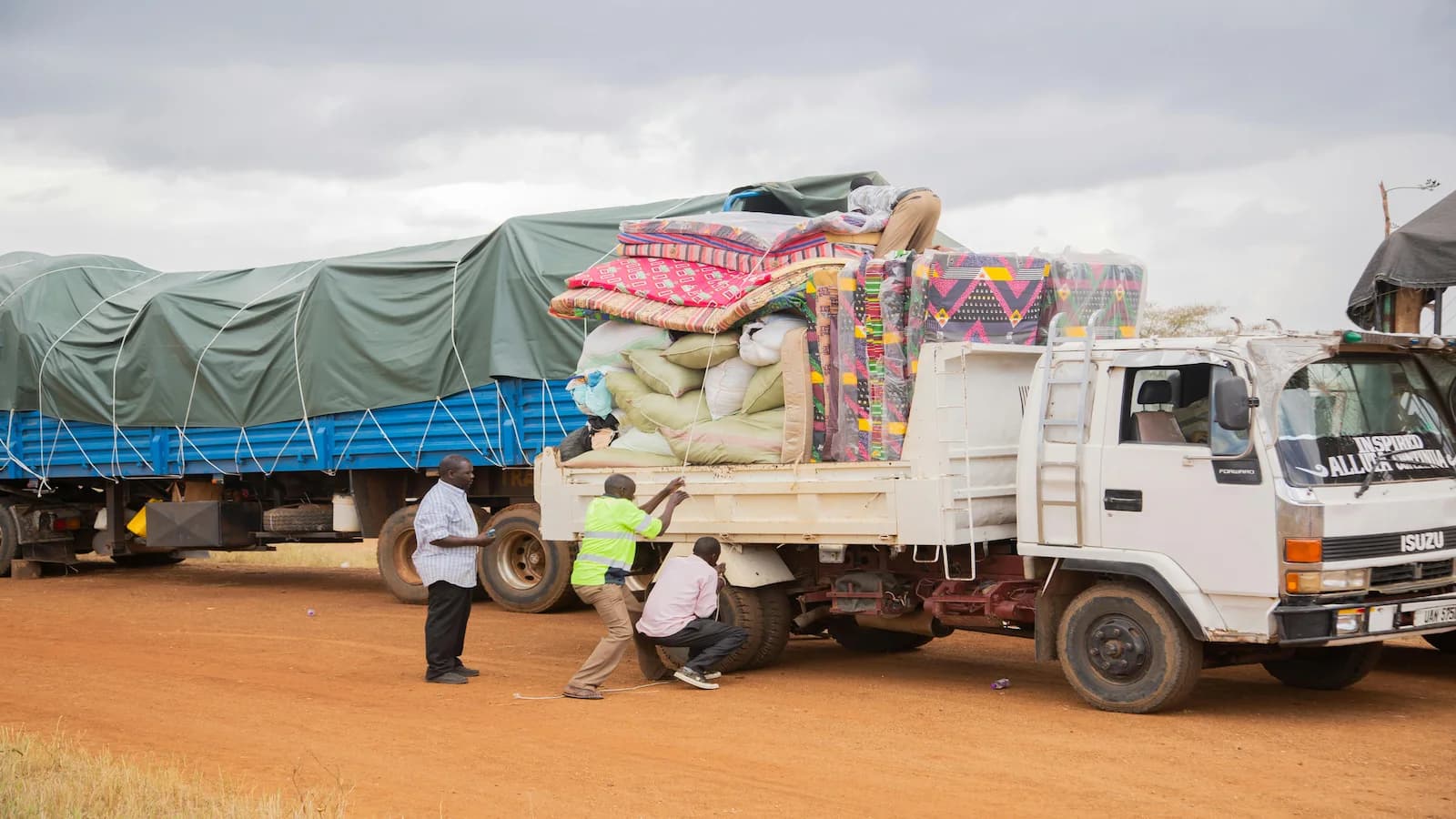
- Fill the return leg. A truck that goes out loaded and comes back empty burns fuel for a trip that earns nothing. Matching a backhaul is the single biggest win — see inter-warehouse transport.
- Right-size the truck to the load. Sending a 20-tonne truck on a 3-tonne job burns diesel to move air. Match the vehicle to the cargo.
- Consolidate shipments. Two half-loads on one well-planned trip beat two near-empty runs.
- Driver habits. Steady speeds, less idling and correct gear use on Rwanda's climbs noticeably lower fuel per trip.
- Maintenance. Correct tyre pressure, clean filters and a well-tuned engine cut consumption — and prevent breakdowns that strand a load.
- Plan routes and timing. Avoiding peak Kigali traffic and planning the steep western segments cuts both hours and litres.
The mountain factor
Rwanda's terrain matters. A loaded truck climbing and descending the Congo–Nile divide toward Rubavu or Rusizi burns far more fuel per kilometre than a flat run. You can't change the hills, but you can change the load, the truck size and the timing — which is where most of the realistic savings live.
“Greener freight in Rwanda is mostly good logistics: don't drive empty, don't drive oversized, don't drive in the wrong gear.”
How Ironji helps
Because Ironji sees demand across many shippers, we can match outbound trips with return loads and put the right-sized truck on each job — the two changes that cut fuel and cost the most. For recurring volumes, plan ahead with product distribution; for one-off needs, Request a Truck and confirm pricing with Get a Quote.